
Electric vehicles are becoming an increasingly common sight on roads everywhere, and with that shift comes a growing need for convenient and reliable home charging solutions. While charging at public stations works in a pinch, nothing compares to the simplicity of plugging in at home and waking up to a fully charged vehicle every morning. But installing a home EV charger involves more than just buying a unit and plugging it in. There are important technical, safety, and regulatory considerations that every EV owner should understand before moving forward. Keep reading to find out what they are.
The Smart Homeowner’s Guide to EV Charger Installation
Making the switch to home EV charging is a decision that pays off in convenience and cost savings almost immediately. Homeowners who work with electric vehicle charger installation Charleston SC professionals ensure that their charging setup is safe, efficient, and built to handle the demands of daily use. Here is everything you need to know before getting started.
Understand the Difference Between Level 1 and Level 2 Charging
First and foremost, not all home EV chargers deliver the same charging speed or require the same electrical infrastructure. Level 1 charging uses a standard 120-volt household outlet and delivers a slow charge that works adequately for drivers with short daily commutes. Level 2 charging requires a dedicated 240-volt circuit and charges significantly faster, typically replenishing a full battery overnight with ease. Additionally, most EV owners who drive regularly find that Level 2 charging is the far more practical and convenient option for daily home use. Understanding which level suits your driving habits is the essential first step in planning your installation.
Charger Placement Requires Careful Thought
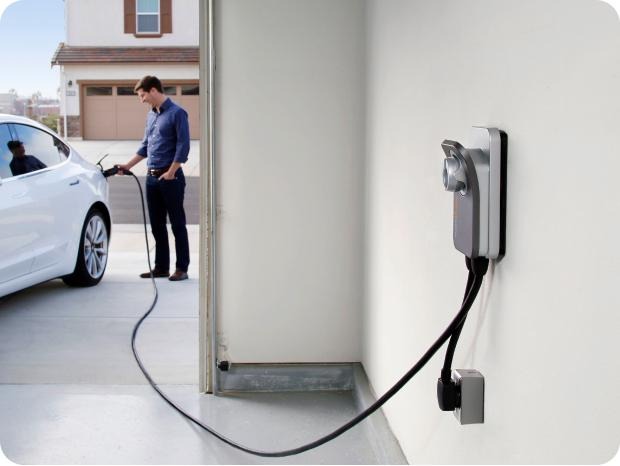
Another consideration that homeowners often overlook is where the charger should actually be installed for maximum convenience and safety. The ideal location balances proximity to your parking area, accessibility of the electrical panel, protection from weather exposure, and ease of daily use. Additionally, outdoor installations require weatherproof equipment and proper conduit protection to ensure long term durability and safe operation in varying conditions. A professional electrician helps you evaluate your options and recommends the placement that works best for your specific home layout and daily routine without compromising on safety or code compliance.
Permits and Code Compliance Are Non-Negotiable
Finally, EV charger installation is not a DIY project you can complete without navigating local permit requirements and electrical codes. Most municipalities require permits for new circuit installations and inspections to verify that the work meets current safety standards. Additionally, unpermitted electrical work creates serious liability issues and can complicate home insurance claims or property sales down the line. Working with a licensed electrician who is familiar with local permitting requirements ensures that your installation is fully compliant, properly inspected, and documented in a way that protects you legally and financially for the long term.
Conclusion: The Smart Homeowner’s Guide to EV Charger Installation
To wrap it all up, installing a home EV charger is a smart and worthwhile investment that requires the right planning, professional expertise, and attention to code compliance. Understanding your charging options, assessing your electrical system, choosing the right location, and securing proper permits are the steps that separate a safe and successful installation from a costly and potentially dangerous one. Do not cut corners on something this important. Work with a licensed electrician today and set up a home charging solution that serves you safely and reliably for years to come.
Recent Comments